1. What is the Embalming Process for Repatriation?
The international embalming process for repatriation is an advanced medical preservation technique that utilizes biochemical agents (Formaldehyde/Formakem and tissue-conditioning solvents) injected directly into the arterial system alongside cavity fluid aspiration. This technique completely halts biological decomposition, eliminates 100% of infectious pathogens, preserves the dignified appearance of the deceased, and satisfies the mandatory health quarantine standards required by the International Air Transport Association (IATA) when transporting intact human remains by air from Vietnam abroad.
2. Why is the Embalming Process Mandatory for International Repatriation?
When a foreign national or overseas Vietnamese unfortunately passes away in Vietnam, returning the intact remains to their home country is a sacred wish of the family. However, air transport across multiple time zones, pressure differentials in the aircraft cargo hold, and administrative clearance taking 7–10 days impose strict biological safety requirements.
Proper execution of the embalming process ensures 3 mandatory core values:
- Compliance with International Air Transport Standards (IATA Compliance): All international airlines accept human remains for transport only when accompanied by an official Embalming Certificate issued by a certified medical specialist.
- Ensuring Border Quarantine and Epidemic Safety: Embalming chemicals eradicate all disease-causing bacteria and viruses, preventing outbreak risks in the aircraft cargo hold and protecting quarantine officers at international airports (Tan Son Nhat, Noi Bai).
- Preserving a Dignified Appearance: The embalming technique completely prevents facial deformation and swelling, maintaining a peaceful expression so the family can hold a meaningful farewell ceremony back home.
3. Detailed 5-Step International Standard Embalming Process
At Repatriation Vietnam, the embalming process for international transport is conducted in a sterile medical environment following 5 closed, standardized steps:
- Step 1: Sanitary Preparation & Initial Disinfection: The remains are transferred from the hospital morgue or private residence to a standardized medical preparation room. Technicians sanitize and wash the entire body with specialized medical antiseptics, clean natural cavities, and assess general physical condition prior to medical procedures.
- Step 2: Arterial Chemical Injection (Arterial Embalming): This is the core technical step of the embalming process. Specialists isolate the carotid or femoral artery to connect to a medical circulatory pressure pump. An international-standard embalming solution (containing appropriate Formaldehyde concentration, tissue fixatives, and natural pink skin dyes) is circulated throughout the body. This process displaces and drains venous blood while allowing chemicals to penetrate deep into soft tissue cells.
- Step 3: Cavity Fluid Aspiration & Preservation (Cavity Embalming): Internal organs (chest and abdomen) are prime sites for natural decomposition bacteria. Technicians use specialized medical vacuum aspirators (Trocars) to drain free fluids and gas buildup. Concentrated preservation chemicals are then injected directly into the body cavities to eliminate internal pathogens.
- Step 4: Reconstructive & Cosmetic Art: Specialists neatly suture medical incisions, treat bruising and trauma (especially critical in accident-related deaths), reconstruct facial contours, and apply subtle cosmetics to restore the peaceful, natural expression of the deceased.
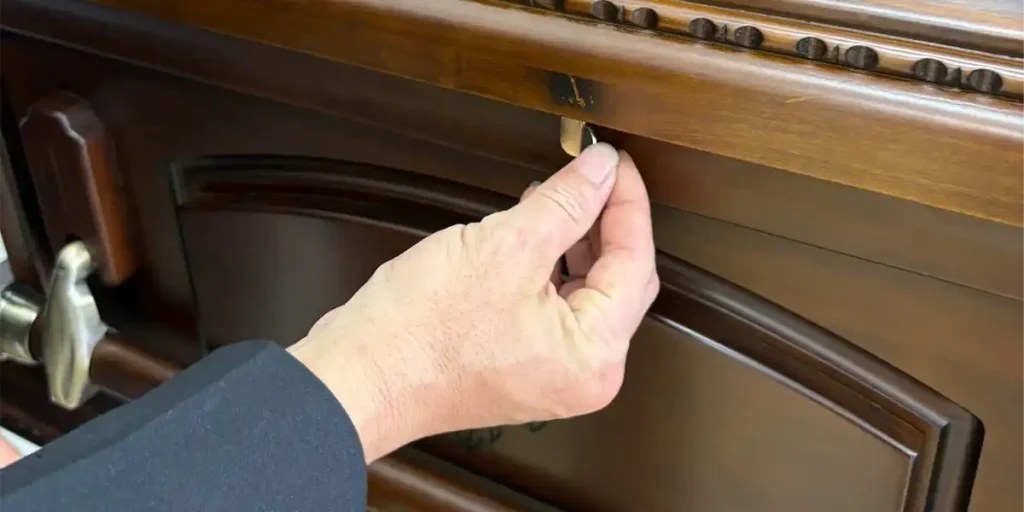
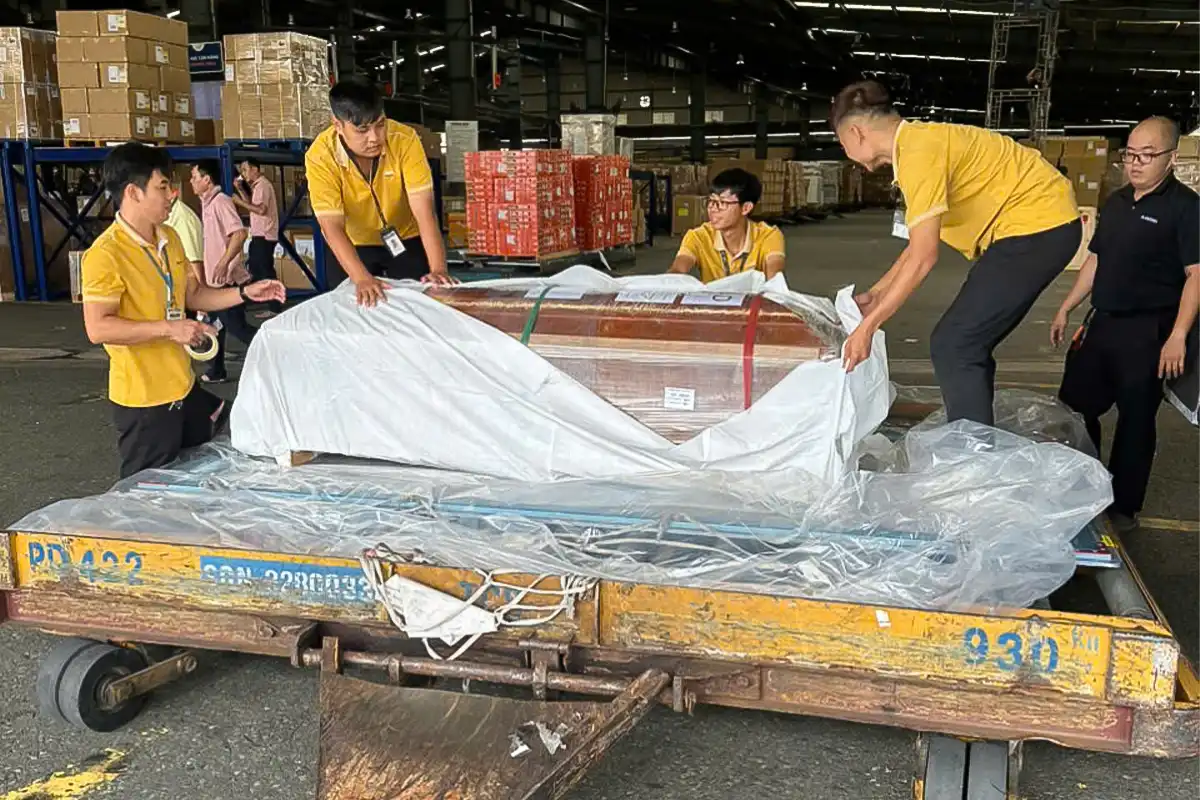
- Step 5: 3-Layer Hermetically Sealed Zinc Casket & Customs Sealing: The embalmed body is placed into a 3-layer protective enclosure system meeting air safety standards:
- Layer 1: A specialized zinc casket, 100% solder-sealed to prevent gas leakage and withstand cabin pressure changes.
- Layer 2: An outer natural wooden casket to enhance dignity and presentation.
- Layer 3: An external heavy-duty cardboard or plywood crate to protect against impacts during cargo transit.
4. Comparison Between International Standard Embalming and Standard Refrigeration
| Comparison Criteria | International Repatriation Embalming | Medical Refrigeration / Dry Ice |
| Technical Nature | Arterial chemical injection replacing all blood and bodily fluids. | Low temperature (-5°C to 4°C) to temporarily slow decomposition. |
| Preservation Period | Maintains integrity from several weeks to months. | Only effective short-term (3 to 7 days). |
| Air Clearance Eligibility | 100% Mandatory for international body transportation. | Ineligible for air cargo transport clearance. |
| Accompanying Certification | Issued an official Embalming Certificate. | Only accompanied by standard hospital morgue storage slips. |
5. Mandatory Legal Documentation for Customs Clearance After Embalming
In parallel with completing the embalming process, Repatriation Vietnam will act on behalf of the family to process the complete set of 5 mandatory legal certificates for air customs clearance:
- Death Certificate (Extract of Death Record): Issued by the Department of Justice or the district-level People’s Committee.
- Embalming Certificate: A medical certificate confirming that the remains have been embalmed using international flight-standard chemical techniques.
- International Health Quarantine Certificate: Issued by the Border Health Quarantine Authority at Tan Son Nhat or Noi Bai International Airport.
- Laissez-passer for Cadaver (Body Transit Permit): Entry permit approved by the Embassy or Consulate General of the destination country.
- Zinc Casket Sealing Certificate: Official confirmation that the casket has been legally sealed under customs supervision prior to cargo entry.
6. Why Choose Repatriation Vietnam Services?

Repatriating human remains from Vietnam requires deep expertise in both diplomatic law and advanced medical technology. Repatriation Vietnam takes pride in being the leading trusted partner due to:
- Top-tier Medical Expertise: A well-trained technical team holding international medical embalming certifications.
- Transnational Legal Capacity: Acting on behalf of families to liaise directly with the Consular Department, foreign Embassies, Departments of Justice, police authorities, and international airlines.
- 24/7 Emergency Response Network: Ready to coordinate urgent cases nationwide, offering transparent pricing and absolute respect for the religious beliefs of the deceased.
See more: Blackstones Funeral Service Joint Stock Company
7. Frequently Asked Questions About the Embalming Process
- How long does the embalming process take?
- Answer: The specialized medical embalming procedure itself takes about 3 to 5 hours. However, the complete timeline—including completing diplomatic paperwork, health quarantine, and securing airline cargo booking—typically takes 7 to 10 working days.
- How long can embalmed remains be preserved?
- Answer: When treated with international-standard chemicals and sealed inside a 3-layer airtight zinc casket, the remains can be preserved in their original state for several weeks or even months without biological decomposition.
- Is embalming mandatory for foreigners who pass away in Vietnam?
- Answer: If local cremation in Vietnam is selected prior to transporting the ashes back home, embalming is not required. However, if the family chooses to transport intact human remains back to their home country by air, embalming is 100% mandatory.
- DỊCH VỤ TIẾP NHẬN THI HÀI VÀ TRO CỐT TỪ REPATRIATION VIETNAM DO BLACKSTONES CUNG CẤP
- (Đại Sứ Quán Hoa Kỳ tại Việt Nam) Điều cần lưu ý khi một công dân Hoa Kỳ mất ở nước ngoài
- (Đại Sứ Quán Vương quốc Anh tại Việt Nam) Việc cần làm khi có người Anh mất ở nước ngoài
- (Đại Sứ Quán Úc tại Việt Nam) – Khi người Úc qua đời ở nước ngoài cần làm gì?
- Đơn Vị Hồi Hương Thi Hài Nào Đáng Uy Tín Nhất Việt Nam?